Two different things get called “confusion” in an older parent. One is not seeing well enough to read. The other is not remembering what day it is. A clock and a remote can fix the first and, more than most people expect, take the edge off the second.
Separate the eyes from the memory
Before buying anything, test this: hold up a newspaper and ask whether the person can read the headline. Then ask what day it is. If the headline is unreadable but the day is right, the problem is vision and a bigger display fixes it. If the text is fine but the day is wrong, size will not help; placement and routine will.
Why size beats contrast alone
A high-contrast display with small digits still fails at two metres, which is the distance from a bed to a wall. Look for digits that are at least five centimetres tall, black on white or white on black rather than grey on grey, and no glare from a glossy face. A clock that shows the day of the week and the date as words does more work than one that shows only 22:41.
Placement is half the product
- One clock where the person sleeps, visible without turning on a light and without reaching for glasses.
- One in the room where they spend the day, at eye level while seated.
- One near the front door, for the “have I taken my tablets” question.
- Nothing on a screen that goes dark after thirty seconds.
The three o’clock in the morning problem
Waking in the dark and not knowing whether it is night or time to get up is frightening, and it is one of the most common reasons an older person stops sleeping well. A clock that projects the time on the ceiling, or one that simply says “night” and “morning”, fixes more of this than any sleep aid. It is also the single item families most often say was worth buying.
Remotes: fewer buttons beats bigger buttons
A remote with sixty small buttons is a memory test. A remote with six large ones — power, volume up, volume down, channel up, channel down, mute — is usable. If the television is the main occupation of the day, this is not a luxury: it is the difference between watching the news and giving up.
Labels that stay on
Sticky notes fall off and get moved. A simple colour label on three keys, or a remote where the most-used buttons are physically different shapes, holds up for years. If the person has to look at their hand to find a button, the layout is wrong.
What we would skip
Voice assistants that need an account, a phone and patience. Clocks that need an app to set the time. Smart displays that show advertisements or turn themselves off. And any device where changing the battery requires a screwdriver and a steady hand.
A note on the medicine question
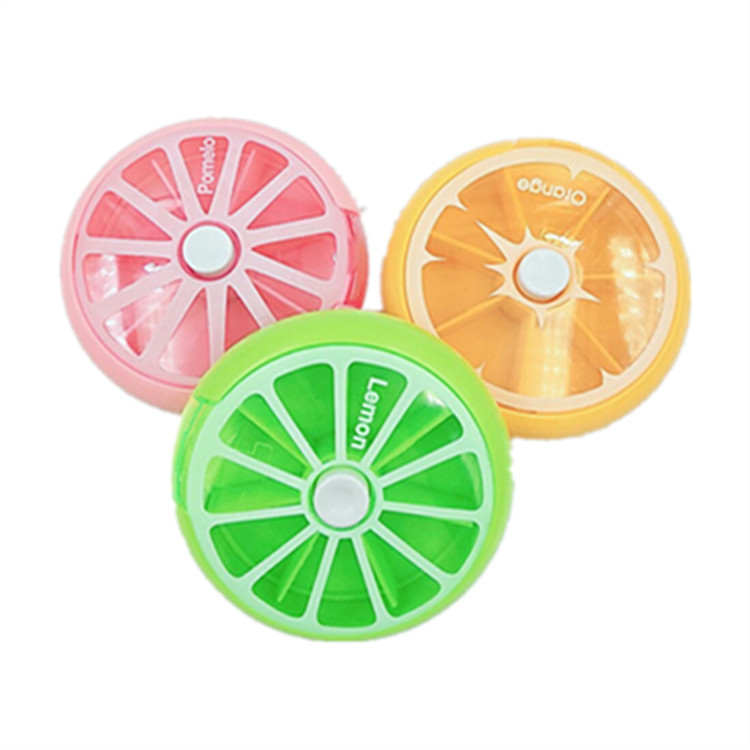
If the real issue is remembering tablets, a clock is not the answer. A seven-day organiser kept next to the kettle and refilled on the same day each week works better than most alarms, because it shows what has already been taken rather than only reminding about what has not.
Our vision and memory aids are chosen for legibility first and features second.